Endodontic surgery may be considered when inflammation or infection around the root of a tooth persists despite root canal treatment, or when conventional treatment cannot adequately address the problem. The aim is to manage disease around the root and, where possible, preserve the natural tooth.
For suitable cases, endodontic surgery can offer an alternative to tooth extraction. However, it is not necessary for every tooth with a persistent infection. The decision depends on the clinical findings, the condition of the tooth and its surrounding tissues, and whether other treatment options are appropriate.
Dr. Egemen Güldaş, DDS, PhD, evaluates endodontic conditions to determine whether surgical treatment may be suitable and discusses the potential benefits, limitations and alternatives with each patient.
What Is Endodontic Surgery?
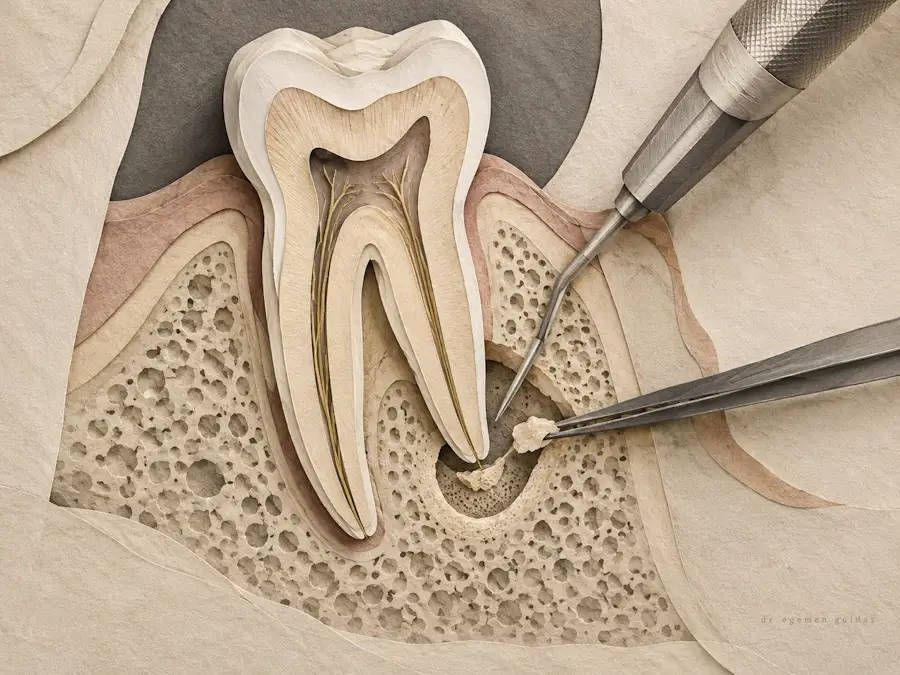
Endodontic surgery is a group of procedures used to diagnose or treat problems involving the root of a tooth and the surrounding tissues. One of the most common procedures is apical surgery, also known as an apicoectomy.
During an apicoectomy, the end of the affected tooth root is accessed through the gum tissue. The inflamed or infected tissue around the root tip is removed, and a small portion of the root tip may be taken away. A filling may then be placed at the end of the root to seal the root canal from the surgical side.
The exact procedure depends on the source of the problem and the anatomy of the tooth. Not all cases require the same surgical approach, and some conditions may be better managed with nonsurgical retreatment or another treatment plan.
When Is Endodontic Surgery Considered?
Endodontic surgery may be considered when a tooth has a persistent problem that cannot be predictably resolved through conventional root canal treatment alone.
Persistent infection around the root
Inflammation or a lesion around the root tip may remain or recur after root canal treatment. If the cause cannot be adequately managed through nonsurgical treatment, surgery may be discussed as an option.
When root canal retreatment is not suitable
In some cases, repeating root canal treatment may be difficult or may involve significant risks to the existing restoration or tooth structure. Depending on the findings, an endodontic surgical approach may be considered instead.
Complex root anatomy or treatment limitations
Certain anatomical features, obstructions or previous treatment complications can make access to the affected area through the root canal difficult. Surgery may allow the root tip and surrounding tissues to be assessed and treated directly.
Suspected root-end or surrounding tissue problems
Clinical examination and imaging may reveal a problem near the root tip that requires further investigation. In selected cases, surgical exploration or tissue sampling may help clarify the diagnosis. The appropriate approach depends on the findings and the suspected condition.
A persistent lesion does not automatically mean that surgery is required. The cause must be assessed before choosing the next step.
How Is Endodontic Surgery Performed?
The procedure is planned according to the tooth involved, the surrounding anatomy and the diagnosis. The process commonly includes the following stages.
1. Examination and treatment planning
The tooth, existing root canal treatment, restoration and surrounding tissues are evaluated. Dental imaging is used when indicated to assess the root and the area around it. The clinician considers whether nonsurgical retreatment, surgery or another option is most appropriate.
2. Local anaesthesia
Local anaesthesia is generally used to keep the procedure comfortable. The details are explained before treatment, including any patient-specific considerations.
3. Access to the root area
A small incision is made in the gum tissue to reach the affected area. The tissue is carefully moved aside to provide access to the root tip and surrounding bone.
4. Removal of inflamed or infected tissue
The affected tissue around the root end is removed. When indicated, a small portion of the root tip is also removed to address the source of persistent disease.
5. Root-end sealing, when indicated
A small preparation may be made at the end of the root and sealed with a suitable filling material. This helps close the root canal from the root tip. The technique and materials depend on the clinical requirements of the case.
6. Closure and follow-up
The gum tissue is repositioned and sutured when necessary. The patient receives instructions for postoperative care and information about follow-up. Healing is assessed over time; symptoms alone may not be enough to determine whether the tissues have recovered fully.
What Are the Possible Benefits and Limitations?
The main purpose of endodontic surgery is to manage a problem around the root while preserving a tooth that may otherwise be at risk of extraction.
Potential benefits include:
- Treating selected cases of persistent inflammation or infection around a root tip.
- Providing an option when conventional retreatment is unsuitable or unlikely to resolve the problem.
- Preserving the natural tooth when the tooth is structurally sound enough and the surrounding conditions are favourable.
- Allowing tissue examination when sampling is clinically indicated.
As with any surgical procedure, there are limitations and risks. These may include postoperative discomfort or swelling, bleeding, infection, delayed healing, gum recession or failure of the condition to resolve. The risks vary according to the tooth’s position, root anatomy and proximity to neighbouring structures.
Surgery cannot compensate for every underlying problem. For example, a severe root fracture or inadequate remaining tooth structure may make long-term preservation unlikely. The expected outcome should therefore be discussed before treatment.
Recovery After Endodontic Surgery
Some tenderness, swelling or minor bleeding may occur after surgery. The degree and duration of symptoms vary with the procedure and the individual patient.
Postoperative instructions may include guidance on oral hygiene, eating, activity and prescribed medication. Patients should follow the instructions provided for their particular procedure rather than relying on general advice alone.
Contact the treating clinic if symptoms worsen rather than improve, or if you experience significant swelling, persistent bleeding, fever or other unexpected symptoms. Severe or rapidly increasing swelling, difficulty swallowing or difficulty breathing requires urgent medical attention.
Follow-up appointments are important because healing around the root may take time. The clinician may recommend clinical reviews and further imaging when appropriate to assess the result.
Endodontic Surgery for International Patients in Antalya
Patients travelling to Antalya for dental care should discuss the timing of surgery and follow-up before making travel arrangements. Surgical treatment may require a review appointment, and healing around the root is assessed over a longer period than the initial visit.
Before travelling, share any available dental X-rays, previous root canal treatment records and information about current symptoms. This can help the clinician assess the case and determine whether an in-person examination is needed before treatment can be planned.
Do not assume that surgery and all necessary follow-up can be completed during a short visit. The schedule depends on the diagnosis, the procedure required and the expected recovery. Patients should also have a clear plan for contacting the treating clinic if concerns arise after returning home.
Frequently Asked Questions
Is endodontic surgery the same as root canal treatment?
No. Root canal treatment addresses the inside of the tooth by cleaning and filling the root canal system. Endodontic surgery treats selected problems around the root or provides access to areas that may not be adequately managed through the root canal alone. Surgery may sometimes be considered after previous root canal treatment.
Does endodontic surgery mean that the tooth cannot be saved?
Not necessarily. Surgery may be recommended specifically to help preserve a natural tooth. Whether the tooth can be retained depends on factors such as root condition, remaining tooth structure, the extent of disease and the response to treatment.
Is apical surgery always necessary when a lesion remains after root canal treatment?
No. Some lesions take time to heal, and persistent findings need to be interpreted in context. The clinician evaluates symptoms, clinical findings, previous treatment and appropriate imaging before recommending further treatment.
Is endodontic surgery painful?
Local anaesthesia is generally used during the procedure. Some discomfort or swelling may occur afterward, but the experience varies between patients and procedures. The clinician provides individual postoperative instructions and explains how to manage expected symptoms.
How long does healing take after endodontic surgery?
Initial postoperative recovery and healing around the root are different stages. Gum tissue may recover before the bone and surrounding tissues have fully healed. Follow-up is used to assess progress over time; the timeline varies from case to case.
Can international patients have endodontic surgery during a short stay in Antalya?
It may be possible in selected cases, but this cannot be confirmed without assessing the diagnosis and treatment requirements. Patients should discuss the proposed schedule, any review appointment and arrangements for follow-up before booking travel.