Regenerative endodontics is a biologically based approach used in selected cases involving permanent teeth with incomplete root development and a damaged or necrotic dental pulp. The treatment aims to control infection, support healing around the root and, where possible, encourage continued root development.
Dr. Egemen Güldaş, DDS, PhD, is an endodontist in Antalya who evaluates conditions affecting the dental pulp and developing root structures. Regenerative endodontic procedures may be considered when a young permanent tooth has sustained dental trauma or developed deep decay leading to pulp necrosis.
Unlike conventional root canal treatment, which involves filling the cleaned root canal system, regenerative procedures use a different biological approach intended to support healing and potentially further root maturation. The clinical response varies, and the procedure does not guarantee the regeneration of normal dental pulp tissue.
An individual assessment is necessary to determine whether regenerative endodontics is appropriate or whether another treatment, such as an apical plug procedure, offers a more suitable option.
What Is Regenerative Endodontics?
Regenerative endodontics includes biologically based procedures designed to manage infection and support healing in selected teeth, particularly permanent teeth whose roots have not finished developing.
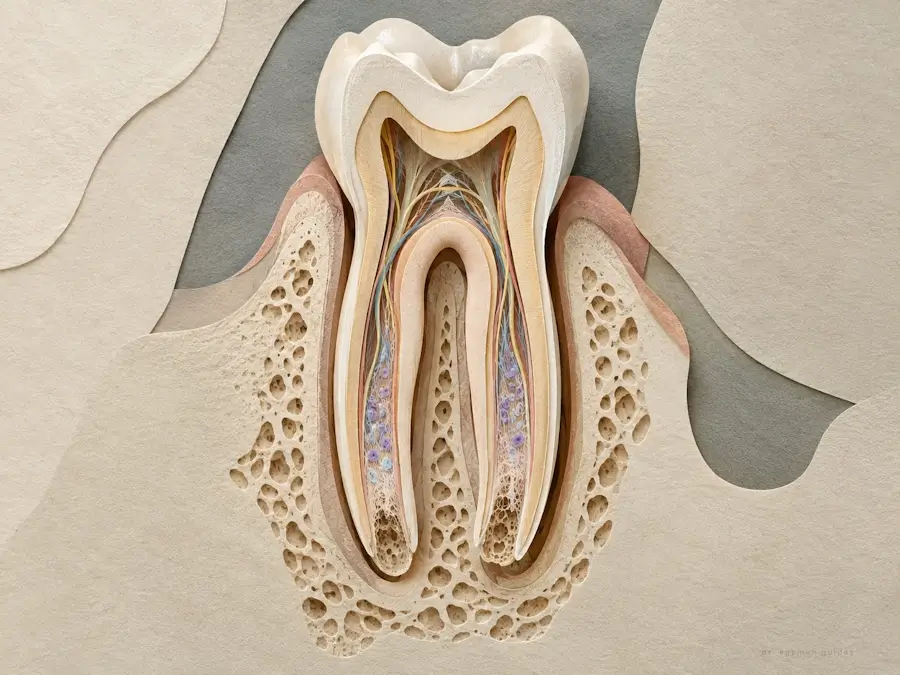
When the pulp of an immature permanent tooth becomes necrotic, normal root development may stop. The tooth can be left with short roots, thin dentinal walls and a wide root opening. These characteristics may increase the risk of root fracture and make conventional root canal treatment more challenging.
A regenerative endodontic procedure aims to disinfect the root canal system while preserving the biological conditions needed for tissue repair. In selected cases, the procedure may encourage additional root length, thickening of the root walls or closure of the root apex.
The tissue that develops inside the canal does not necessarily reproduce the structure and function of normal dental pulp. For this reason, regenerative endodontics should not be understood as a guaranteed way to restore the original pulp tissue.
When Is Regenerative Endodontics Considered?
Regenerative endodontic procedures are most commonly considered for immature permanent teeth with pulp necrosis. The decision depends on the stage of root development, the cause of pulp damage and the feasibility of controlling infection.
Immature Permanent Teeth
Permanent teeth continue to develop after they first emerge into the mouth. If the pulp becomes necrotic before root formation is complete, further development may be interrupted.
In suitable cases, regenerative endodontics may help support continued root maturation. The potential benefit is particularly relevant when the root walls are thin and the root has not reached its full length.
Dental Trauma
An impact, fall or sports injury can damage the pulp of a developing permanent tooth. The pulp may initially remain responsive or become necrotic over time.
If necrosis develops before root formation is complete, regenerative treatment may be considered after the injury and the condition of the tooth have been assessed.
Deep Tooth Decay
Extensive decay can lead to irreversible pulp damage and infection. When this occurs in a permanent tooth with an immature root, regenerative endodontics may be one of the treatment options.
The extent of the infection, the remaining tooth structure and the stage of root development influence the choice of treatment.
Pulp Necrosis With Inflammation Around the Root
A necrotic pulp can allow infection to develop within the root canal system and affect the surrounding tissues. An immature tooth with these findings may be evaluated for regenerative treatment if the clinical conditions are suitable.
The presence of inflammation around the root does not automatically exclude regenerative endodontics, but infection control and the ability to complete the required procedure are essential considerations.
How Is Regenerative Endodontic Treatment Performed?
The treatment usually requires more than one appointment. The exact protocol depends on the diagnosis, the condition of the tooth and the clinical approach selected by the endodontist.
1. Clinical Examination and Diagnosis
The tooth is examined for decay, fractures, discolouration, tenderness and other signs of damage. The history of the injury or symptoms is reviewed, and dental radiographs are used to assess root development and the tissues surrounding the root.
The assessment helps establish whether the pulp is likely to be necrotic and whether the tooth has the structural and anatomical characteristics needed for regenerative treatment.
2. Infection Control
The root canal system is accessed and disinfected using an approach adapted to immature teeth. Because these teeth have thin root walls, care is needed to reduce the risk of unnecessary damage to the remaining dentine.
Antimicrobial medication may be placed inside the canal between appointments. The choice of medication and its use depend on the clinical protocol and the patient’s individual circumstances.
3. Preparation for the Regenerative Procedure
Once the infection has been adequately controlled, the canal is prepared for the next stage of treatment. In established regenerative protocols, bleeding may be induced from the tissues around the root tip to introduce a blood clot into the canal.
This clot can act as a biological scaffold containing cells and signalling factors that may support tissue repair. The precise technique depends on the selected protocol and the anatomy of the tooth.
4. Placement of a Biocompatible Material
A suitable biocompatible material is placed over the prepared tissue or scaffold, according to the procedure being performed. The material helps seal the canal and provides a base for the final restoration.
Material selection and placement are important because the seal must protect the treated tooth against bacterial contamination.
5. Permanent Coronal Restoration
The access opening is restored to reduce the risk of leakage and reinfection. The restoration must be appropriate for the remaining tooth structure and its functional requirements.
A secure seal is an essential part of treatment because bacterial contamination can compromise healing.
6. Clinical and Radiographic Follow-Up
Follow-up examinations are required to assess symptoms, healing around the root and changes in root development. Radiographs may show changes in root length, wall thickness or apical closure over time.
The response varies between teeth. Continued root development is a desirable outcome, but the absence of additional root growth does not necessarily mean that the infection has not resolved. The overall outcome must be assessed using the clinical findings and appropriate imaging.
What Are the Potential Benefits of Regenerative Endodontics?
The potential benefits depend on the condition of the tooth and its response to treatment. Regenerative procedures are not suitable for every case, and their outcomes cannot be guaranteed.
Potential for Continued Root Development
In selected immature permanent teeth, treatment may support further root lengthening or thickening of the dentinal walls. This may improve the structural characteristics of a tooth whose root development was interrupted by pulp necrosis.
The degree of additional development varies and cannot be predicted with certainty.
Healing Around the Root
An important objective is to control infection and support the healing of tissues surrounding the root. Clinical symptoms and radiographic signs of inflammation may improve following appropriate treatment.
Preservation of the Natural Tooth
When the tooth can be retained, treatment may help maintain its position and function. The long-term prognosis also depends on the quality of the restoration, the remaining tooth structure and the absence of significant fractures or other complications.
An Alternative to Selected Conventional Procedures
For suitable immature permanent teeth, regenerative endodontics may be considered as an alternative to apexification, a procedure used to establish an apical barrier in a tooth with an incompletely formed root.
The two approaches have different objectives. Apexification focuses on creating an apical barrier, while regenerative procedures aim to support healing and may encourage further root development. The most appropriate option depends on the individual clinical findings and current evidence.
What Are the Limitations of Regenerative Endodontics?
Regenerative endodontics is a specialised treatment with specific indications. Patients should understand its limitations before deciding whether to proceed.
Not Suitable for Every Tooth
The procedure is primarily considered for selected immature permanent teeth with pulp necrosis. Conventional root canal treatment or another endodontic procedure may be more appropriate for teeth with completed root development or different clinical requirements.
Root Development Is Not Guaranteed
Although additional root development may occur, the extent of this response varies. Some teeth show healing without substantial changes in root length or wall thickness.
The Tissue May Not Be Normal Dental Pulp
The tissue that forms within the root canal may differ from the original pulp in its composition and function. Clinical healing does not necessarily mean that normal pulp tissue has been regenerated.
Discolouration and Other Complications
Tooth discolouration can occur depending on the materials and medications used. Persistent infection, pain or an inadequate healing response may also require further treatment.
These possibilities should be discussed during treatment planning, including the alternatives available if the regenerative procedure does not achieve the intended result.
Why Is Specialist Assessment Important?
Regenerative endodontics requires careful case selection, infection control and an understanding of root development. The procedure must be planned according to the condition of the tooth rather than applied routinely to every immature permanent tooth.
Dr. Egemen Güldaş, DDS, PhD, evaluates endodontic conditions involving pulp necrosis, incomplete root development and complications following dental trauma or deep decay.
The assessment considers:
- Whether the tooth has incomplete root development.
- Whether the pulp is necrotic and infection is present.
- The thickness and length of the remaining root walls.
- Whether the tooth can be adequately disinfected and restored.
- Whether regenerative treatment or an alternative procedure is more appropriate.
The treatment plan should explain the expected stages, potential benefits, limitations and need for follow-up. Where the evidence does not support a predictable outcome, alternative options should be discussed.
Regenerative Endodontics for International Patients in Antalya
Families living in Antalya, visiting the city on holiday or travelling to Türkiye for dental care may seek specialist assessment for a young patient’s injured or infected permanent tooth.
Regenerative endodontic treatment generally involves an initial procedure followed by further appointments and monitoring. It may therefore be difficult to complete the entire treatment process during a short visit.
Before treatment begins, the clinical plan should clarify the likely appointment schedule, the need for additional medication or procedures and the arrangements for follow-up. Patients travelling from abroad should understand that monitoring may need to continue after returning home.
Previous dental radiographs and information about a traumatic injury or earlier treatment can support the initial assessment. However, they do not replace a clinical examination.
For children and adolescents, treatment planning should also consider the stage of dental development, the ability to cooperate with the procedure and the involvement of a parent or legal guardian in informed consent.
Frequently Asked Questions About Regenerative Endodontics
Is regenerative endodontics suitable for adults?
Regenerative endodontics is most established for selected immature permanent teeth with pulp necrosis. Its routine use in fully developed adult teeth is not currently supported by the same level of evidence. Other endodontic procedures may be more appropriate, depending on the diagnosis.
Does regenerative endodontics make a tooth grow again?
The procedure does not regrow an entire tooth. In selected immature permanent teeth, it may encourage continued root development or thickening of the root walls. The amount of development varies, and normal pulp tissue regeneration cannot be guaranteed.
Is regenerative endodontics the same as root canal treatment?
Both procedures address disease within the root canal system, but their methods and objectives differ. Conventional root canal treatment involves cleaning and filling the canal, while regenerative endodontics uses a biological approach intended to support healing and potentially further root development in suitable cases.
How many appointments are required?
Regenerative endodontic treatment commonly requires two or more appointments, followed by clinical and radiographic monitoring. The exact schedule depends on the condition of the tooth, the selected protocol and the response to treatment.
Can regenerative endodontics be performed after dental trauma?
It may be considered when trauma has led to pulp necrosis in an immature permanent tooth. The type of injury, the stage of root development and the condition of the supporting tissues must be assessed before a treatment decision is made.
What happens if regenerative treatment does not work?
If the intended healing response does not occur, the tooth must be reassessed. Depending on its condition, alternative options may include apexification, conventional endodontic treatment where appropriate, or another treatment if the tooth cannot be preserved.
Can regenerative endodontics be completed during a holiday in Antalya?
The initial treatment may be possible during a visit, but the procedure usually requires follow-up over time. Patients should plan for subsequent examinations and understand how monitoring will be arranged after leaving Antalya.
Regenerative Endodontic Assessment in Antalya
If a young permanent tooth has sustained trauma, developed deep decay or been diagnosed with pulp necrosis before root development is complete, an endodontic assessment can help determine whether regenerative treatment is appropriate.
Dr. Egemen Güldaş, DDS, PhD, provides endodontic assessment and treatment in Antalya. The recommended procedure depends on the maturity of the root, the condition of the pulp and surrounding tissues, and the available treatment options.