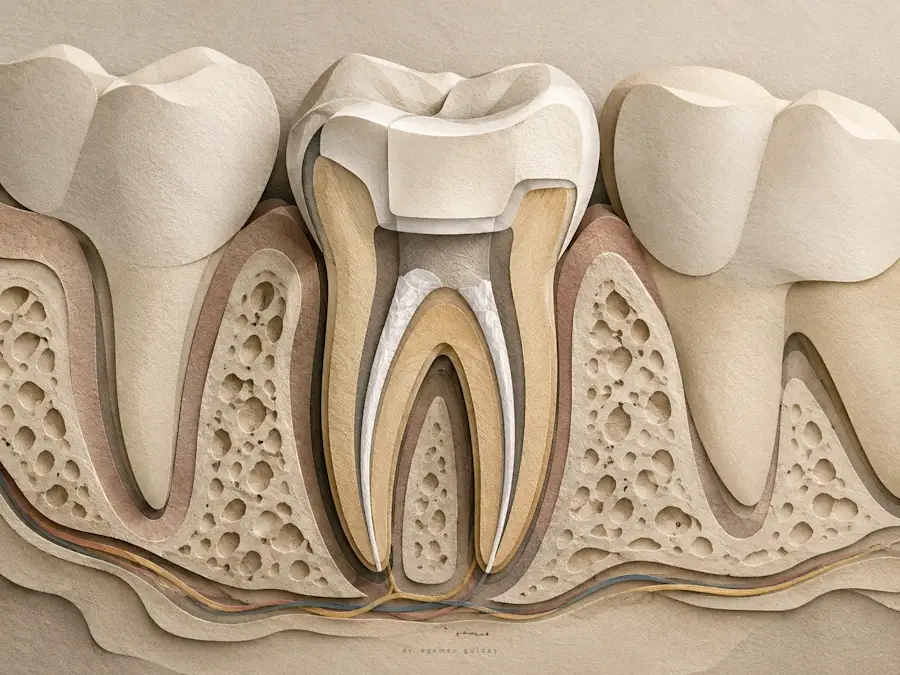
After root canal treatment, a tooth may require a restoration to protect its remaining structure and restore its function. The appropriate restoration depends on the amount of healthy tooth tissue remaining, the location of the tooth, the extent of previous damage and the forces placed on it during chewing.
Dr. Egemen Güldaş, DDS, PhD, is an endodontist in Antalya who evaluates the condition of root canal-treated teeth and considers their restorative requirements as part of endodontic treatment planning. A suitable restoration helps protect the tooth against bacterial leakage and further structural damage.
Depending on the clinical findings, restoration may involve a direct filling, an onlay, a crown or another restorative option. Not every tooth treated with root canal therapy requires a crown, and the decision should be based on an individual assessment.
For patients living in Antalya or travelling to Türkiye for dental care, planning the final restoration is an important part of coordinating treatment and follow-up.
What Are Post-Endodontic Restorations?
Post-endodontic restorations are dental restorations placed after root canal treatment to restore the tooth’s shape, function and structural integrity.
A tooth may need restorative treatment because of the original decay, a fracture, an existing large filling or the access opening required for endodontic treatment. The amount of remaining healthy tooth structure is one of the main factors determining which restoration is suitable.
The restoration also helps seal the access opening and reduce the risk of bacterial contamination. If the coronal seal is compromised, bacteria may re-enter the tooth and contribute to recurrent infection.
The purpose of post-endodontic restoration is therefore to protect the treated tooth while allowing it to function as normally as its condition permits.
Why Is Restoration Important After Root Canal Treatment?
Root canal treatment addresses disease inside the tooth, but it does not automatically restore the structural tissue lost through decay, fracture or previous dental procedures.
The remaining tooth may need additional protection, particularly when a substantial amount of the crown has been lost.
Protection Against Fracture
Teeth that have lost significant structure may be more susceptible to fracture under chewing forces. This risk depends on the location of the tooth, the amount and distribution of remaining tissue, existing cracks and the type of restoration.
A restoration designed to protect vulnerable cusps may be recommended when the clinical findings indicate an increased fracture risk.
Prevention of Bacterial Leakage
The restoration provides a seal between the treated tooth and the oral environment. A defective or damaged restoration may allow bacteria to enter the tooth, potentially compromising the result of endodontic treatment.
Maintaining an adequate coronal seal is important for the long-term condition of the treated tooth.
Restoration of Chewing Function
A properly selected restoration helps restore the tooth’s shape and contact with opposing teeth. It should support chewing function while respecting the tooth’s remaining structure and the patient’s bite.
Preservation of Remaining Tooth Structure
Restorative planning should aim to retain as much healthy tooth tissue as possible while providing adequate strength and sealing. The choice between a filling, an onlay and a crown depends on the balance between preserving tissue and protecting the tooth.
Types of Post-Endodontic Restorations
The most appropriate restoration depends on the tooth’s condition and the amount of healthy structure remaining after endodontic treatment.
Direct Composite Filling
A direct composite filling may be suitable when enough healthy tooth structure remains to support the restoration. The material is placed and shaped directly in the tooth.
This option may be appropriate for selected teeth with limited structural loss. However, a direct filling may not provide sufficient protection for a tooth with extensive damage or weakened cusps.
Inlays and Onlays
Inlays and onlays are restorations designed to replace damaged portions of a tooth. An onlay can cover one or more cusps, providing additional protection when the remaining tooth structure requires reinforcement.
These restorations may be considered when a conventional filling is insufficient but a full crown is not necessary or would remove more tooth structure than required.
Dental Crowns
A crown covers the visible portion of a tooth and may be recommended when substantial structural loss makes additional protection necessary.
Crowns are often considered for root canal-treated premolars and molars with extensive damage because these teeth are exposed to significant chewing forces. The need for a crown depends on the clinical situation rather than root canal treatment alone.
Post-and-Core Restorations
When little coronal tooth structure remains, a post may sometimes be used to retain a core that supports the final restoration.
A post does not strengthen the root itself and is not required for every root canal-treated tooth. Its use depends on the remaining tooth structure, the restoration design and the clinical risks. Preserving the root and avoiding unnecessary removal of dentine are important considerations.
How Is the Appropriate Restoration Selected?
Restoration planning begins with an assessment of the tooth after endodontic treatment. The objective is to choose a restoration that provides an adequate seal and appropriate structural protection without unnecessary removal of healthy tissue.
Assessment of Remaining Tooth Structure
The clinician evaluates how much sound tooth tissue remains, whether the cusps are weakened and whether cracks or other structural defects are present.
The distribution of the remaining tissue can be as important as the total amount. A tooth with extensive damage may require a different approach from one with a small access opening and intact supporting walls.
Location of the Tooth
Front teeth and back teeth experience different functional demands. The restoration must account for the tooth’s position, the forces applied during chewing and any aesthetic requirements.
Premolars and molars with substantial structural loss may require cuspal coverage, while some anterior teeth can be restored with a more conservative option.
Condition of the Bite
The way the teeth contact one another influences the forces placed on a restoration. The clinician may assess the bite and consider factors such as heavy occlusal contact or bruxism when selecting and designing the restoration.
Condition of the Root and Surrounding Tissues
A restoration is only appropriate when the tooth has a reasonable prospect of being retained. Root fractures, extensive decay below the gum line, periodontal support and other clinical factors may affect the prognosis.
If the tooth cannot be predictably restored, alternative options should be discussed before further restorative work is undertaken.
What Happens During Post-Endodontic Restoration?
The procedure varies according to the selected restoration and the condition of the tooth.
1. Evaluation After Root Canal Treatment
The tooth is assessed to confirm the next stage of treatment and identify any structural or restorative concerns. The clinician considers the endodontic findings, the remaining tooth tissue and the expected functional demands.
2. Preparation of the Tooth
Any temporary material or damaged restoration is addressed as necessary. The tooth is prepared according to the requirements of the chosen restoration, while preserving healthy structure wherever possible.
3. Impression or Digital Scan
For indirect restorations such as crowns and onlays, an impression or digital scan may be taken to record the shape of the prepared tooth and its relationship with adjacent teeth.
The restoration is then fabricated according to the treatment plan and material selected.
4. Placement of the Restoration
The restoration is fitted and checked for its adaptation, contacts and bite. It is then bonded or cemented using an appropriate technique.
For direct composite fillings, the material is placed and shaped during the appointment rather than fabricated separately.
5. Review and Maintenance
The treated tooth and restoration may be reviewed to assess comfort, function and the integrity of the restoration. Routine dental examinations help identify wear, damage or recurrent decay before these problems progress.
Does Every Root Canal-Treated Tooth Need a Crown?
No. A crown is not automatically required after every root canal treatment.
The decision depends on the amount of remaining tooth structure, the location of the tooth, the extent of previous damage and the likelihood of fracture under normal function.
A tooth with limited structural loss may be restored successfully with a direct filling or another conservative restoration. A tooth with substantial loss of the crown or weakened cusps may benefit from an onlay or full crown.
The aim is to provide sufficient protection while avoiding unnecessary removal of healthy tooth tissue. The appropriate option should be selected after examining the individual tooth.
The Role of an Endodontist in Restorative Planning
Endodontic treatment and the final restoration are closely connected. Even when the root canal system has been treated appropriately, the tooth’s long-term condition depends partly on the quality of its restoration and the prevention of bacterial leakage.
Dr. Egemen Güldaş, DDS, PhD, assesses the endodontic condition of the tooth and considers the structural requirements that may influence its restoration.
This assessment can help determine whether the tooth is suitable for further restorative treatment and whether additional protection is needed. Depending on the case, the definitive restoration may be provided by the treating dentist or another restorative dental professional as part of a coordinated treatment plan.
The recommended approach depends on the condition of the tooth and the restorative options available. No single restoration is suitable for every root canal-treated tooth.
Post-Endodontic Restorations for International Patients in Antalya
Patients who travel to Antalya for root canal treatment may need to coordinate endodontic care with the placement of a permanent filling, onlay or crown.
The timing depends on the condition of the tooth, the need for temporary protection and the type of restoration planned. Some restorations can be completed relatively quickly, while others require laboratory fabrication and an additional appointment.
Before travelling, patients should clarify whether the treatment plan includes the definitive restoration or whether this will need to be arranged separately. If a permanent restoration cannot be completed during the visit, the patient should receive clear instructions about protecting the tooth and arranging follow-up care.
Previous dental records, radiographs and information about existing restorations may help with the initial assessment. However, the tooth must be examined before a definitive restorative plan can be established.
Frequently Asked Questions About Post-Endodontic Restorations
How soon should a tooth be restored after root canal treatment?
The timing depends on the condition of the tooth and the treatment plan. A definitive restoration should be arranged promptly when indicated, because leaving a structurally weakened tooth with a temporary restoration for an extended period may increase the risk of damage or leakage.
Are crowns always better than fillings after root canal treatment?
No. The best restoration depends on the amount of remaining tooth structure and the functional demands placed on it. A filling may be sufficient for a tooth with limited structural loss, while a crown or onlay may be appropriate when additional protection is required.
Does a post make a root canal-treated tooth stronger?
A post is primarily used to retain a core when insufficient coronal structure remains. It does not reinforce the root itself, and placing one unnecessarily may increase the risk of structural damage.
Can a root canal-treated tooth still fracture?
Yes. A treated tooth can fracture, particularly when substantial tooth structure has been lost. The risk depends on the tooth’s condition, its location, the restoration and the forces placed on it during chewing.
Can I have my permanent crown placed during a short visit to Antalya?
This may be possible depending on the restoration required, the clinical condition of the tooth and the available appointments. Some restorations require laboratory fabrication or additional treatment, so the schedule should be confirmed after examination.
What should I do if my temporary restoration breaks?
Contact the treating dentist promptly for advice and assessment. Avoid placing excessive pressure on the tooth until it has been reviewed, because the exposed tooth may be more vulnerable to damage or contamination.
Restorative Assessment After Endodontic Treatment in Antalya
If you have undergone root canal treatment and need advice about protecting or restoring the tooth, an assessment can help establish which restorative option is appropriate.
Dr. Egemen Güldaş, DDS, PhD, provides endodontic assessment in Antalya, including evaluation of the tooth’s condition and its requirements following root canal treatment. The final restorative plan depends on the remaining tooth structure, the endodontic findings and the treatment needed to restore function and protect the tooth.