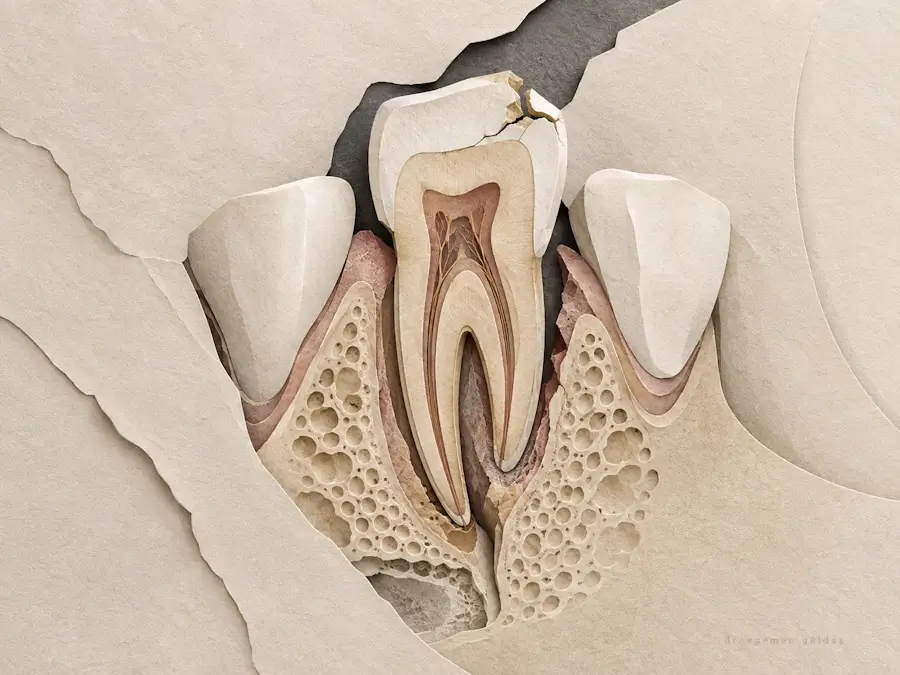
Traumatic dental injuries can affect the teeth, dental pulp and supporting tissues following an accident, a fall, a sports injury or a direct impact to the mouth. Depending on the type and severity of the injury, treatment may involve stabilising a displaced tooth, repairing a fracture, monitoring the pulp or performing endodontic treatment.
Dr. Egemen Güldaş, DDS, PhD, is an endodontist in Antalya who evaluates injuries affecting the dental pulp and root structures. An endodontic assessment helps determine whether the pulp remains healthy, whether damage may develop over time and which treatment options are appropriate for the injured tooth.
Dental trauma requires prompt assessment, even when the injury appears minor or there is little pain. Some complications become apparent only during follow-up. For international patients visiting Antalya, early evaluation is particularly important because the recommended treatment and monitoring schedule may extend beyond the initial appointment.
What Are Traumatic Dental Injuries?
Traumatic dental injuries occur when an external force damages a tooth or the tissues that support it. The injury may affect the enamel, dentine, dental pulp, root, periodontal ligament or surrounding bone.
The visible damage does not always reflect the full extent of the injury. A tooth may appear intact while the pulp or supporting tissues have been affected. Conversely, a chipped tooth may require only restorative treatment if the pulp remains healthy and no other complications are present.
The appropriate treatment depends on the type of injury, the maturity of the tooth’s root, the condition of the pulp and the surrounding tissues, and the findings of the clinical examination.
Types of Traumatic Dental Injuries
Fractured or Chipped Teeth
A direct impact may cause a small enamel chip, a fracture involving dentine or a more extensive break that exposes the dental pulp.
Minor fractures may be managed with smoothing or a restorative procedure. More extensive fractures require careful assessment to determine whether the pulp has been exposed or damaged and whether the tooth can be restored.
When the pulp is affected, endodontic treatment may be necessary. The decision depends on the extent of the injury and the condition of the pulp rather than the size of the visible fracture alone.
Displaced Teeth
An impact can move a tooth from its normal position without completely removing it from the socket. The tooth may be pushed sideways, partially out of the socket or further into the surrounding bone.
These injuries can damage the periodontal ligament, the blood supply to the pulp and the supporting tissues. Treatment may involve repositioning and stabilising the tooth, followed by clinical and radiographic monitoring.
The need for root canal treatment depends on the type of injury, the maturity of the root and subsequent findings.
Avulsed Teeth
An avulsed tooth has been completely displaced from its socket. Avulsion of a permanent tooth is a dental emergency because the time the tooth remains outside the mouth and the conditions in which it is stored can affect its prognosis.
Seek immediate dental care. If a permanent tooth has been completely knocked out, handle it by the crown rather than the root. If it is visibly dirty, gently rinse it with milk or saline without scrubbing the root. Immediate replantation may be appropriate if it can be done safely and the person is able to cooperate; otherwise, keep the tooth moist in milk or a suitable tooth-preservation solution and seek emergency dental care immediately.
Do not replant an avulsed baby tooth. A dentist should assess the injury and determine the appropriate management.
Root Fractures
A traumatic impact may fracture the root beneath the gum line. The fracture may not be visible during an ordinary examination and may require dental imaging for assessment.
Management depends on the location and direction of the fracture, the stability of the tooth, the condition of the pulp and the surrounding tissues. Some teeth can be managed with repositioning, stabilisation and follow-up, while others have a less favourable prognosis.
Injuries to the Supporting Tissues
Trauma may damage the periodontal ligament and the bone surrounding a tooth, even when there is no obvious fracture. Such injuries can cause tenderness, mobility or displacement.
The affected tooth may require repositioning or temporary stabilisation. Follow-up is important because pulp changes and root resorption can develop after the initial injury.
How Can Dental Trauma Affect the Dental Pulp?
The dental pulp contains nerves, blood vessels and connective tissue inside the tooth. A traumatic impact can disrupt its blood supply or damage the surrounding dentine, even when the crown appears relatively intact.
The response of the pulp varies according to the injury. In some cases, the tissue remains healthy or recovers. In others, inflammation progresses to pulp necrosis, meaning the pulp tissue loses its vitality.
Pulp Inflammation
A tooth may become sensitive to temperature or pressure after an injury. These symptoms need to be interpreted alongside the examination and other diagnostic findings.
Not every sensitive tooth requires root canal treatment. The pulp may recover, particularly in certain injuries involving developing teeth, and treatment should be selected according to the diagnosis.
Pulp Necrosis
If the blood supply to the pulp is severely compromised, the tissue may become necrotic. This can lead to infection within the root canal system or inflammation around the root.
Pulp necrosis may develop after the initial injury rather than immediately. A tooth that initially appears stable may therefore require further evaluation if its symptoms or clinical findings change.
Changes in Tooth Colour
A tooth may become darker following trauma because of changes within the pulp and dentine. Discolouration does not automatically mean that the pulp is necrotic or that root canal treatment is necessary.
The tooth should be examined, and its condition monitored where appropriate. Additional tests and radiographs may be needed to determine whether treatment is indicated.
When Is Endodontic Treatment Necessary After Dental Trauma?
The need for endodontic treatment depends on the nature of the injury and the subsequent condition of the pulp and root.
Pulp Exposure Following a Fracture
When a fracture exposes the pulp, treatment depends on the extent of exposure, the time since the injury, the stage of root development and the condition of the tissue.
In selected cases, vital pulp treatment may preserve the remaining healthy pulp. Root canal treatment may be necessary when the pulp cannot be maintained or when other clinical findings indicate that the tissue is irreversibly damaged.
Pulp Necrosis and Infection
When the pulp becomes necrotic and infection develops, root canal treatment may be recommended to clean and seal the root canal system. The objective is to control infection while retaining the tooth when its structure and supporting tissues allow.
Root Fractures and Displacement Injuries
Some traumatic injuries require repositioning and stabilisation before the longer-term condition of the pulp can be established. Root canal treatment is not automatically required for every displaced or fractured tooth.
The decision is based on the type of injury, root maturity, clinical findings and follow-up results.
Injuries to Developing Teeth
Teeth with incompletely formed roots require particular consideration because continued root development may be possible if the pulp remains healthy.
Where appropriate, treatment may aim to preserve pulp vitality or support further root development. The choice of procedure depends on the injury and the condition of the tooth.
How Are Traumatic Dental Injuries Diagnosed?
A thorough assessment is necessary to identify the type of injury, determine its severity and establish whether endodontic treatment is needed.
Clinical Examination
The tooth and surrounding tissues are examined for fractures, displacement, mobility, tenderness, soft-tissue injuries and changes in colour. The circumstances of the accident and the time since the injury are also relevant.
Adjacent teeth should be assessed because the force responsible for one visible injury may have affected neighbouring teeth as well.
Pulp Sensibility Testing
Cold testing and other sensibility tests may help assess the response of the dental pulp. However, a tooth may not respond normally immediately after trauma even when the pulp remains capable of recovery.
Test results must therefore be interpreted in context and may need to be repeated during follow-up.
Dental Imaging
Radiographs help assess the roots, surrounding bone, root fractures and changes around the root. Additional imaging may be considered when conventional radiographs do not provide enough information and the result could influence treatment planning.
The diagnostic approach depends on the suspected injury and the clinical findings.
Follow-Up Assessment
Some complications appear only after a period of time. Follow-up examinations may be required to monitor pulp vitality, healing of the supporting tissues, root development and possible root resorption.
The recommended schedule depends on the type and severity of the injury.
How Are Traumatic Dental Injuries Treated?
There is no single treatment for every dental injury. Management is determined by the structures affected and the condition of the tooth.
Stabilisation and Repositioning
A displaced tooth may need to be returned to its appropriate position and stabilised. The type and duration of stabilisation depend on the injury.
Restoration of Fractured Teeth
A chipped or fractured crown may be repaired using an appropriate restorative material. More extensive damage may require additional restorative treatment, provided the tooth can be predictably restored.
Vital Pulp Treatment
When the pulp has been exposed or injured but may remain viable, selected procedures can help preserve the living tissue. This can be particularly important in teeth with incomplete root development.
Root Canal Treatment
If the pulp becomes necrotic or an endodontic infection develops, root canal treatment may be indicated. The timing depends on the type of injury, the maturity of the root and the clinical findings.
Monitoring and Management of Complications
Even after initial treatment, a traumatised tooth may require continued monitoring. Possible complications include pulp necrosis, infection around the root, inflammatory root resorption and changes in root development.
Early detection can help guide further treatment when a complication develops.
Why Is an Endodontist’s Assessment Important After Dental Trauma?
Traumatic injuries can affect the pulp and root structures in ways that are not immediately apparent. Endodontic assessment focuses on identifying pulp damage, evaluating the root canal system and determining whether intervention is needed to preserve the tooth.
Dr. Egemen Güldaş, DDS, PhD, evaluates endodontic conditions associated with dental trauma. The assessment considers the type of injury, root development, pulp status and the condition of the surrounding tissues.
Depending on the findings, management may involve monitoring, vital pulp treatment, root canal treatment or further endodontic procedures. Repositioning, stabilisation and definitive restoration may also be required as part of the overall dental treatment plan.
The objective is to select treatment based on the injury and its progression rather than assuming that every traumatised tooth requires root canal treatment.
Traumatic Dental Injuries in International Patients Visiting Antalya
Dental trauma can occur during sports, outdoor activities, road accidents or everyday incidents. For visitors to Antalya, an injury during a holiday may create additional concerns about immediate treatment, travel plans and follow-up care.
An acute injury should be assessed promptly rather than postponed until the end of the trip. The first appointment establishes the type of injury, whether emergency treatment is required and what further care may be necessary.
Patients travelling from abroad should discuss the expected follow-up schedule before leaving Türkiye. Some injuries require repeated examinations over weeks or months, and certain complications may develop later.
If available, previous dental records and information about the circumstances of the injury can support the assessment. However, urgent treatment should not be delayed while trying to obtain records.
Frequently Asked Questions About Traumatic Dental Injuries
Does every dental injury require root canal treatment?
No. Minor fractures may need only restorative treatment, while some pulp injuries can be managed with procedures intended to preserve vitality. Root canal treatment is considered when the diagnosis and clinical findings indicate that it is appropriate.
Can a tooth look normal after an accident but still be damaged?
Yes. Trauma can affect the pulp, root or supporting tissues without causing an obvious fracture. An examination is recommended after a significant impact, even if the tooth appears intact.
What should I do if a permanent tooth is knocked out?
Seek emergency dental care immediately. Handle the tooth by its crown, avoid touching or scrubbing the root, and keep it moist in milk or a suitable tooth-preservation solution if it cannot be replanted promptly and safely. Do not replant a baby tooth.
Can a tooth change colour months after an injury?
Yes. Discolouration can occur after trauma, but it does not by itself establish whether the pulp is healthy or necrotic. Clinical examination and appropriate testing are needed to determine whether treatment is required.
Can an injured tooth be saved?
Some traumatised teeth can be retained with appropriate treatment and follow-up, while others have a poor prognosis because of extensive fractures or damage to the supporting tissues. The outcome depends on the type of injury, the condition of the tooth and the timing and nature of treatment.
Do dental injuries need follow-up if the pain disappears?
Yes. The absence of pain does not confirm that the pulp and supporting tissues have healed. Follow-up may be necessary to identify changes that develop after the initial injury.
Can I receive treatment for a dental injury during my stay in Antalya?
Initial assessment and urgent treatment may be possible during your stay, but the full treatment plan depends on the injury. Some cases require follow-up after your return home, so the expected schedule should be discussed at the first appointment.
Endodontic Assessment After Dental Trauma in Antalya
If a tooth has been fractured, displaced or injured by an impact, prompt dental assessment can help identify damage to the pulp and root structures and determine the appropriate treatment.
Dr. Egemen Güldaş, DDS, PhD, provides endodontic assessment and treatment in Antalya. The recommended approach depends on the type of injury, the condition of the pulp and root, and the findings of the clinical examination.